


Visit Us
The Monument is a land of extremes—heat and cold, water and desert, ancient and modern. While not an unduly dangerous landscape, caution needs to be taken when venturing out into it. There are few visitor facilities at present, and the visitor should plan on self-sufficiency. It's dry; bring plenty of water. River winds can capsize small craft; wear lifejackets. Some areas are remote; let someone know your destination and when you'll be back. Cell coverage is generally pretty good, due the flat landscape, but that shouldn't be your emergency plan. While rare and very shy, there are Pacific rattlesnakes, so don't reach into areas without first checking. The only real wildlife threats would be allergic reactions to insect or spider bites (e.g., black widow spiders).
Visitors should be prepared for minimal signing and primitive facilities. Our brochure is available HERE. If you'd like a paper version, just drop us a note with your name and address.
We also encourage you to visit The REACH Interpretive Center.
Warnings aside, the Monument is a fairly safe and pleasant environment. Obey signs and follow common sense, and you'll enjoy your visit to this unique national monument national monument
A national monument is established by executive order of the president or by Congressional legislation. The Antiquities Act authorizes the president to proclaim “historic landmarks, historic and prehistoric structures, and other objects of historic or scientific interest” as national monuments. The National Wildlife Refuge System helps manage three national monuments: Hanford Reach National Monument in Washington state, Aleutian Islands World War II National Monument in Alaska and Tule Lake National Monument in California.
Learn more about national monument and wildlife refuge.
Activities
The best time to visit the Monument is in the spring when the wildflowers are in bloom—April and early May—and in the fall when the rabbitbrush is in bloom. Fall also offers a special treat if you can get out on the river—the spawned-out salmon attracts scavengers like bald eagles and coyotes.
Trails
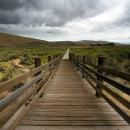
There are no maintained trails on the Monument, although a few paths follow existing corridors, such as service roads. A few social trails also exist, the main one starting at the White Bluffs Boat Launch and following the old wagon train route that supplied the Okanogan gold rush. This path heads out to sand dunes perched atop the White Bluffs. The Washington Trails Association describes several hiking opportunities, but be forewarned that these trails are not clearly defined or are primitive. For descriptions of these trails, visit the Washington Trails Association web site and search for "Hanford Reach National Monument."
Related Documents

Other Facilities in the Complex
The Central Washington National Wildlife Refuge Complex consists of three national wildlife refuges—Columbia, Conboy Lake, Toppenish—and the Hanford Reach National Monument. To learn more about the Complex, Please visit: Central Washington National Wildlife Refuge Complex.


Rules and Policies
We want to you come and enjoy the Monument, but we do have some rules—rules designed to protect wildlife, the fragile habitats, cultural resources, and other visitor's experiences.
Locations
The main access point for Hanford Reach National Monument.